
10 Common Packing Mistakes People Make Before Traveling (And How to Pack Smarter)
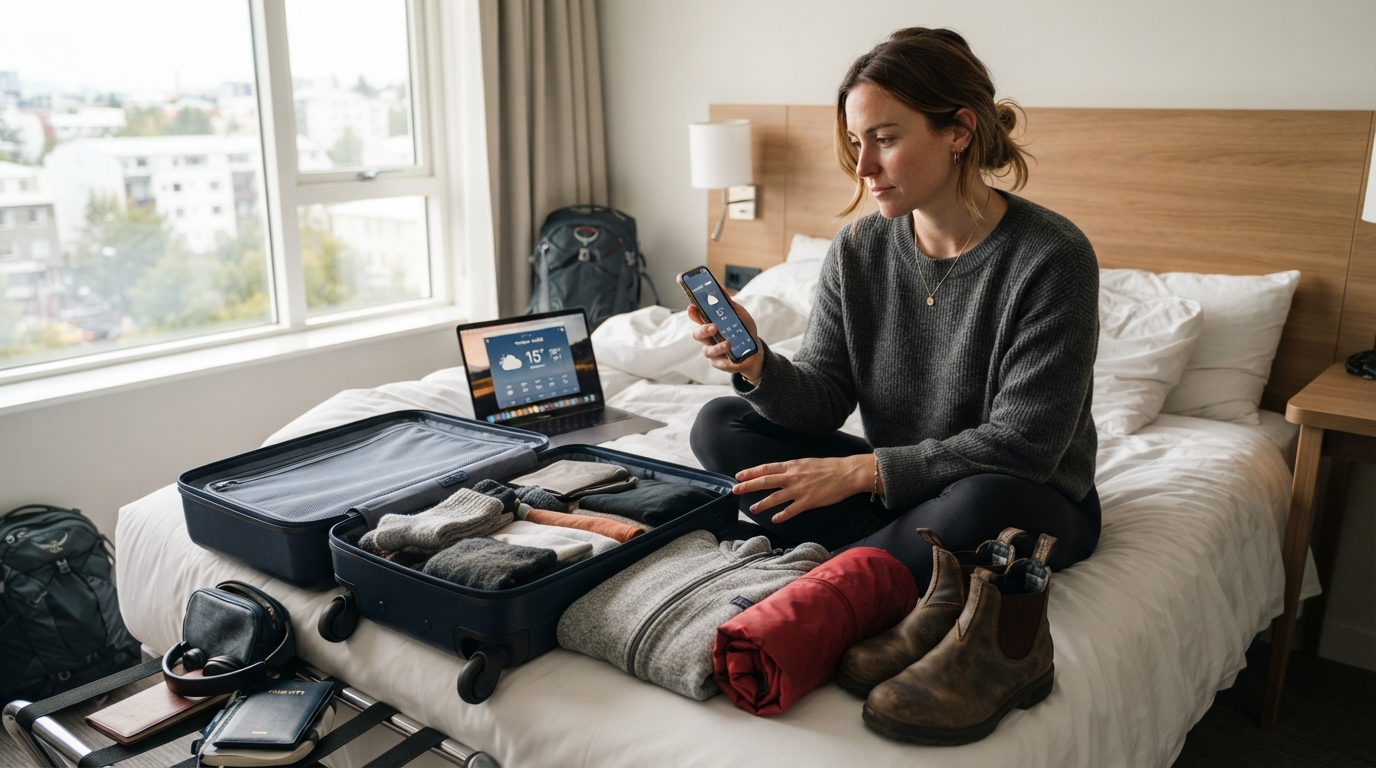
Packing for a trip should be exciting, but for many travelers, it becomes one of the most stressful parts of the journey.
The pressure to remember everything, fit belongings into a suitcase, and prepare for every possible situation often leads people to make the same packing mistakes again and again.
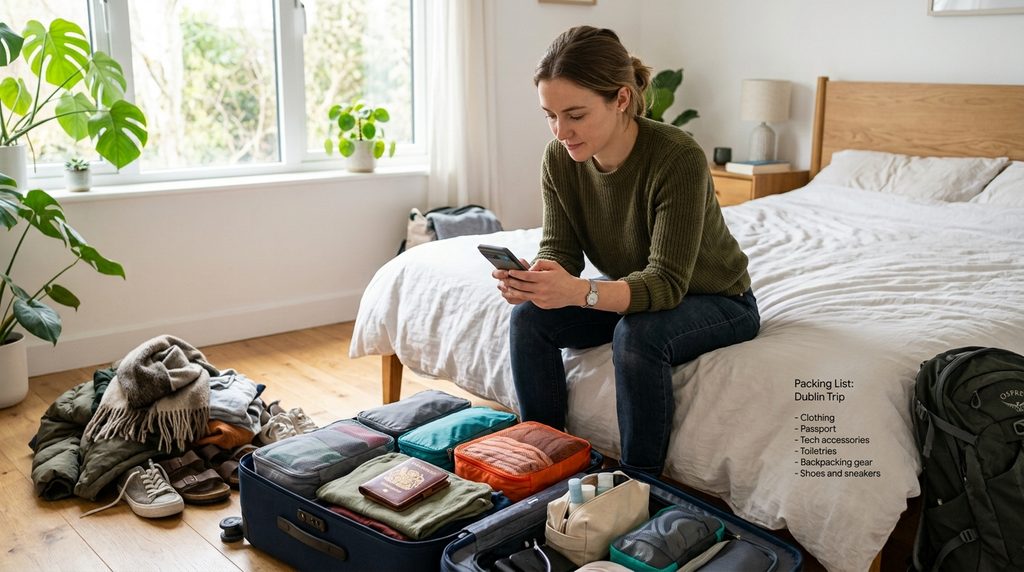
Some travelers bring far too many things they never use. Others forget small but important essentials that can create unnecessary problems during their trip.
Whether you’re preparing for a family vacation, a solo adventure, a business trip, or a weekend escape, the way you pack can have a huge impact on your travel experience.
A well-packed bag saves time, reduces stress, and makes moving from one place to another much easier.
The goal isn’t to pack everything you own. The goal is to pack the right things.
Here are 10 common packing mistakes people make before traveling and simple ways to avoid them.
1. Packing More Clothes Than You Actually Need
Overpacking clothes is one of the most common mistakes travelers make.
Many people look at their suitcase and think, “What if I need this?” They pack extra outfits, backup options, and clothes for situations that may never happen.
The result is usually a heavy suitcase filled with items that remain untouched throughout the trip.
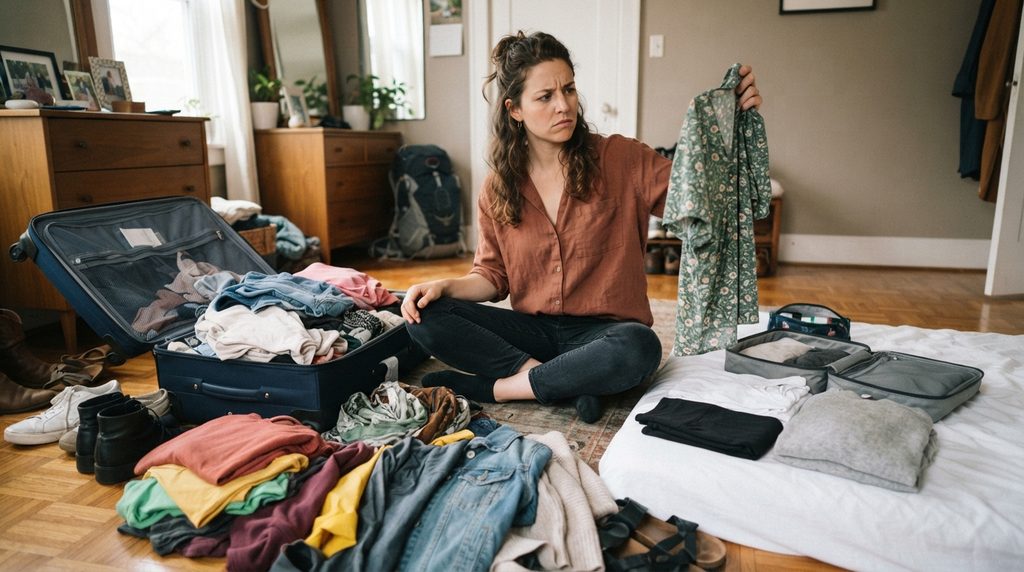
Instead of packing a separate outfit for every day, choose clothing pieces that can work together. Neutral colors and versatile basics can create multiple outfit combinations without taking up too much space.
Before putting something in your suitcase, ask yourself:
“Will I realistically wear this?”
If the answer is uncertain, it may not deserve valuable luggage space.
For longer trips, remember that laundry services and washing clothes during travel can make it unnecessary to pack for every single day.
2. Not Checking the Weather Before Packing
Assuming the weather will be exactly what you expect can lead to uncomfortable travel experiences.
A destination may be known for sunshine, but temperatures can change between morning and evening. Some places also experience unexpected rain or seasonal weather changes.
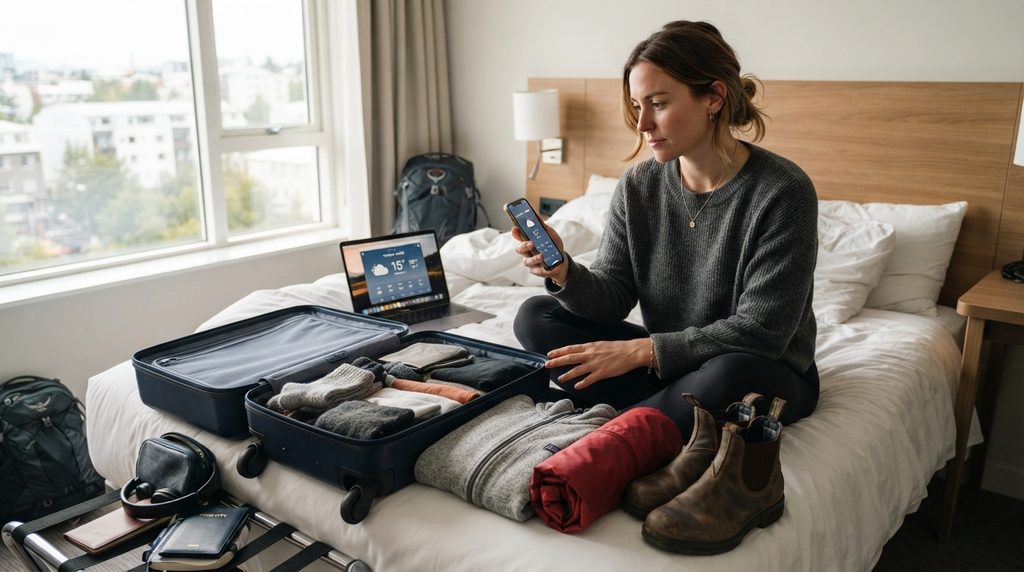
Always check the forecast before you start packing.
Think beyond just temperature. Consider:
- Rain chances
- Humidity levels
- Evening temperatures
- Walking conditions
- Seasonal changes
Packing a lightweight jacket, comfortable shoes, or a small rain layer can help you stay prepared without adding too much weight.
Smart packing means preparing for realistic situations, not every possible situation.
3. Waiting Until the Last Minute to Pack
Packing the night before a trip often creates unnecessary stress.
When people rush, they are more likely to forget important items, pack things randomly, and bring items they don’t actually need.
A better approach is to start preparing a few days before departure.
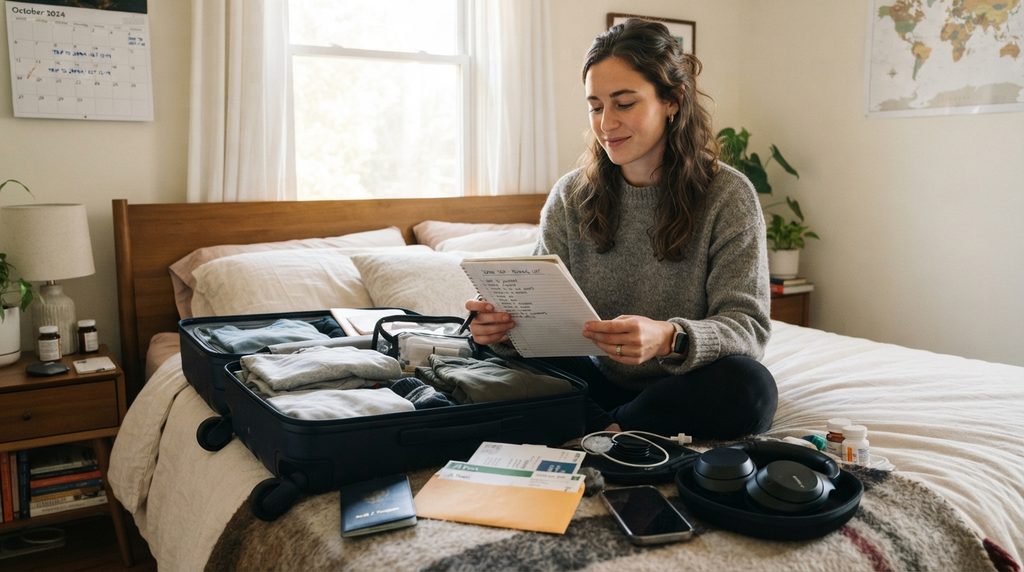
Create a simple checklist that includes:
- Clothing
- Toiletries
- Travel documents
- Electronics
- Chargers
- Medications
- Personal essentials
Starting early gives you time to notice what is missing and avoid last-minute shopping or panic packing.
A few minutes of planning can make the entire travel day feel easier.
4. Forgetting Important Travel Documents
Many packing mistakes involve small but essential items.
Travelers often focus on clothing and accessories while forgetting documents that are much harder to replace.
Before leaving home, double-check that you have:
- Passport or identification
- Travel tickets
- Hotel details
- Visa documents if required
- Insurance information
- Payment cards and emergency contacts
Keep important documents in your carry-on bag instead of checked luggage.
It is also helpful to keep digital copies of important documents in a secure location in case you need backup access during your trip.
5. Ignoring Luggage Organization
A suitcase that is poorly organized can make even a short trip feel frustrating.
Many travelers simply throw everything into their luggage without considering where items should go. This makes it difficult to find things later and often creates unnecessary mess.
Organizing your luggage can save time.
Consider grouping similar items together:
- Clothes in one section
- Electronics in another area
- Toiletries in a separate bag
- Important items where they are easy to reach
Packing cubes and small organizers can be especially useful because they help keep everything neat throughout the trip.
A well-organized suitcase is easier to pack, carry, and unpack.
6. Bringing Too Many Shoes
Shoes often take up more space than travelers realize.
A common mistake is packing multiple pairs for different situations, even when most of them are never used.
For many trips, two pairs are enough:
- A comfortable everyday walking pair
- A second option for specific activities or occasions
Choose shoes based on your actual plans.
If your trip involves lots of walking, comfort should usually be the priority. A stylish but uncomfortable pair of shoes may end up taking space without being useful.
Wearing your heaviest shoes while traveling can also help reduce luggage weight.
7. Packing Without Planning Activities
Another mistake is packing for the destination instead of the actual experience.
A city trip, beach holiday, hiking adventure, and business conference all require different items.
Before packing, think about your daily activities.
Will you spend most of your time walking?
Will you attend formal events?
Will you be outdoors?
Will you visit places with specific clothing expectations?
Creating a basic travel plan helps you pack more accurately and prevents you from carrying unnecessary items.
8. Ignoring Airline and Destination Rules
Many travelers forget that different airlines and countries have different rules about what can be packed.
Before your trip, check important restrictions related to:
- Carry-on luggage
- Liquids
- Electronics
- Batteries
- Food items
- Medication
Understanding these rules ahead of time can help you avoid delays at security checks or problems when arriving at your destination.
A little research before leaving can save a lot of inconvenience later.
9. Filling Your Suitcase Completely
Packing your suitcase until there is no extra space may seem efficient, but it can create problems later.
Many travelers buy souvenirs, gifts, or local products during their trip. A suitcase that was already full can become difficult to close on the way home.
Try leaving some extra room when possible.
If you enjoy shopping while traveling, consider bringing a lightweight foldable bag for additional items.
Extra space gives you flexibility and makes your return journey much easier.
10. Forgetting Items That Make Travel More Comfortable
Many people focus only on what they need at their destination and forget about the journey itself.
Long flights, road trips, and train rides can become much more comfortable with a few simple items.
Useful travel comfort items may include:
- Comfortable headphones
- A reusable water bottle
- A light sweater
- A travel pillow
- Snacks
- Entertainment options
- Hand sanitizer
These small additions can make a big difference, especially during long journeys.
A Simple Packing Strategy That Works
The best packing method is to prepare with purpose.
Start by making a list. Choose versatile clothing. Pack according to your activities. Keep important items accessible. Leave some extra room.
Remember that travel is about experiences, not luggage.
The perfect suitcase is not the one filled with the most items. It is the one that contains everything you need while remaining easy to carry and manage.
By avoiding these common packing mistakes, you can begin your journey feeling more organized, relaxed, and ready to enjoy every moment of your adventure.
A little preparation before leaving home can make the entire travel experience smoother from start to finish.